The Unprecedented Showdown: Michael Jordan Takes On NASCAR in Landmark Antitrust Trial
The world of stock car racing is abuzz, and the reason isn't a dramatic photo finish or a new sponsor announcement. Instead, the spotlight has shifted to a federal courtroom in Charlotte, North Carolina, where an unprecedented antitrust trial is underway, pitting two prominent teams, including one co-owned by none other than basketball legend Michael Jordan, against the formidable institution of NASCAR itself. This pivotal legal battle, centered around the Michael Jordan Nascar lawsuit, carries colossal implications for the future structure, financing, and competitive landscape of the sport.
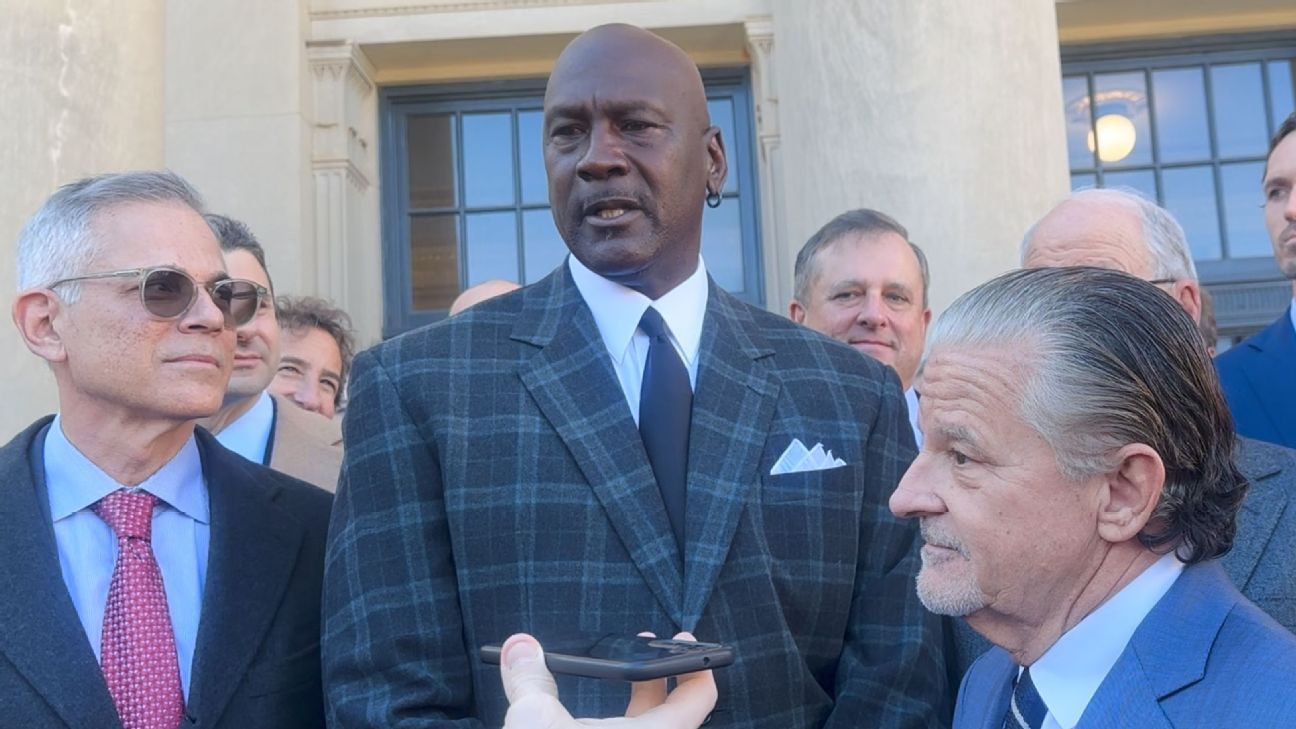
The proceedings kicked off on a Monday in December, 2025, with the star power of Michael Jordan himself in attendance, underscoring the gravity of the allegations. Jordan, the retired NBA Hall of Famer, is the co-owner of the 23XI Racing team, a top-tier competitor in NASCAR's Cup Series. Alongside Front Row Motorsports, 23XI has filed a lawsuit alleging that NASCAR operates as a monopolistic entity, leaving its teams with no viable alternative but to acquiesce to rules, regulations, and financial terms they deem unfair and restrictive.
The opening days of the trial, presided over by U.S. District Judge Kenneth Bell, immediately highlighted the unique nature of this dispute. Jordan's presence in the courtroom gallery, seated near his 23XI co-owner and star driver Denny Hamlin, even influenced jury selection. Potential jurors expressed their admiration for "His Airness," with one candidly admitting an inability to be impartial due to his lifelong admiration for Jordan. This celebrity factor, while adding a compelling narrative, doesn't detract from the serious legal questions at the heart of the antitrust challenge, which aims to fundamentally challenge how NASCAR conducts its business and distributes revenue.
At the Heart of the Battle: NASCAR's Charter System Under Scrutiny
Central to the Michael Jordan Nascar lawsuit is the controversial charter system. These charters are more than just entry passes; they are the lifeblood of a NASCAR Cup Series team's financial viability and competitive stability. Functioning akin to franchise designations in other major sports leagues, charters guarantee a team a coveted spot in every race field and, crucially, a percentage of the overall race purse. They are, in essence, the framework for the entire revenue stream between NASCAR and its competing teams.
The current dispute ignited when 23XI Racing and Front Row Motorsports, unlike the other 13 teams in the Cup Series, refused to sign extensions on new charter agreements last fall. Their decision stemmed from a fundamental disagreement over the terms, with both teams demanding significant concessions that they believed would create a more equitable revenue sharing model and grant teams more agency in the sport's governance. When these concessions were not met, the teams took the drastic step of pursuing legal action, moving the dispute from behind-the-scenes negotiations to the public scrutiny of a federal courtroom.
This isn't a new conversation within NASCAR; disputes over charter terms and revenue distribution have been simmering for years, dominating private discussions among team owners. However, the decision by 23XI and Front Row Motorsports to sue has forced the issue into the open, challenging NASCAR's long-standing business model and the concentrated power of the France family, who founded the series in 1948 and continue to own it. Efforts to mediate a settlement, including a two-day summit facilitated by Judge Bell himself in October, ultimately failed, paving the way for this high-stakes trial.
High Stakes, Seismic Implications: What's on the Line?
The ramifications of the Michael Jordan Nascar lawsuit are profound, presenting a binary outcome with potentially seismic shifts for all involved parties. For 23XI Racing and Front Row Motorsports, a loss in court could be catastrophic. Their charters, currently being held by NASCAR, could be seized and sold, effectively forcing them out of the Cup Series. Given that the last charter was reportedly sold for a staggering $45 million, this represents a significant financial and operational blow, potentially ending their involvement in top-tier stock car racing.
Conversely, a victory for the plaintiff teams could fundamentally reshape NASCAR as it operates today. Such an outcome could lead to substantial monetary damages awarded to 23XI and Front Row Motorsports, and more importantly, grant the presiding judge the authority to unravel key aspects of NASCAR's existing operational structure. This could include a complete overhaul of the charter system, leading to a more transparent and equitable revenue-sharing model, and potentially decentralizing some of the power currently held by the series organizers. It could usher in an era where teams have a stronger collective bargaining position and greater influence over the sport's future direction.
For NASCAR, the stakes are equally monumental. A defeat would not only cost them financially but could also dismantle a business model that has been in place for decades. It could force them to concede significant control over revenue distribution, scheduling, and potentially even rule-making, to the teams. This could lead to a loss of institutional power and potentially impact their ability to attract new investors or maintain existing partnerships. On the other hand, a victory for NASCAR would solidify its current framework, potentially silencing future dissent and reinforcing its monopolistic control over the sport.
Beyond the Courtroom: The Future Landscape of Stock Car Racing
Regardless of the verdict in the Michael Jordan Nascar lawsuit, the very act of this trial has already left an indelible mark on stock car racing. It has pulled back the curtain on the intricate financial workings of NASCAR and highlighted the growing tension between the league and its participating teams. The presence of figures like Michael Jordan and Denny Hamlin, with their considerable influence and fan base, has ensured that this legal battle garners national attention, compelling a deeper examination of the sport's governance.
Should the teams prevail, we might see a paradigm shift towards a more team-centric model, potentially akin to how some other professional sports leagues operate, where teams have more direct equity and a stronger voice in strategic decisions. This could lead to increased financial stability for teams, fostering greater competition and innovation on the track. For team owners, understanding these legal precedents becomes crucial. Practical advice: future teams considering significant investments in motorsports should scrutinize existing charter agreements and revenue structures with an eye toward potential litigation or future collective bargaining. They might need to advocate for more transparent financial disclosures and a more equitable division of the sport's lucrative broadcasting and sponsorship revenues.
Conversely, if NASCAR secures a victory, it could reinforce the existing power dynamics, potentially stifling future challenges but also raising questions about long-term team sustainability and growth. The implications extend to sponsors, broadcasters, and fans alike. Sponsors might seek clearer, more stable investment environments, while fans might see the outcome as either a necessary step to protect the sport's integrity or an unfair suppression of team rights. It forces NASCAR itself to consider how it can foster team loyalty and growth, even if it wins the legal battle. Insight: proactive engagement with teams on revenue sharing, even outside of legal mandates, could be a path to long-term harmony and a more robust ecosystem for the sport.
The trial serves as a stark reminder that even in sports, the fundamental principles of fair competition and antitrust laws apply. The outcome will not just determine the fate of 23XI Racing and Front Row Motorsports, or even NASCAR's immediate future. It holds the potential to redefine the very essence of ownership, partnership, and power distribution within one of America's most beloved and iconic racing series.